

Data analytics guides betting decisions in 2026
Analytics now guides betting decisions
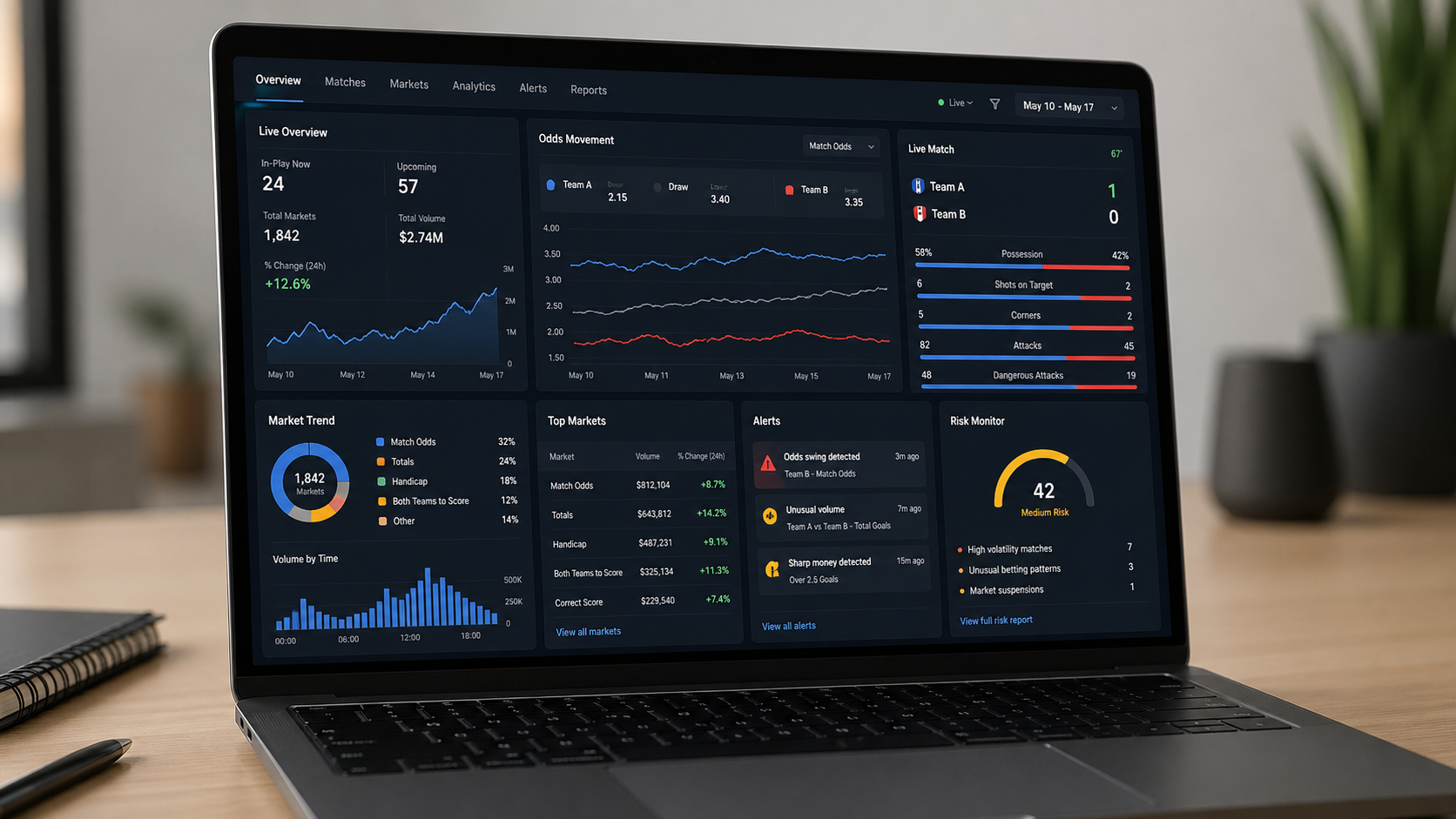
Alt: Modern laptop with betting data dashboard and live market analytics
Data analytics will become a key decision-making tool in the betting sector in 2026. Recent industry analysis shows that operators are now using more match feeds, user activity signals, and market movement checks before changing prices or adjusting risk limits. In a market where users also monitor platform access points such as biz bet app, the change is due to the increase in real-time betting, where decisions often need to be made within seconds.
This does not mean that traders have disappeared from the process. Their role is changing. Instead of manually checking every market, trading teams now receive alerts, reports, and signals based on models. This helps them to spot unusual movements more quickly and decide which markets need attention first.
The same shift is observed in product teams. Analytics is no longer used only after a campaign or sporting event has ended. It is now part of daily planning, pricing, risk checks, and platform updates.
Live markets create more pressure
Live betting has made analytics more important because match conditions can change very quickly. A goal, injury, substitution, or sudden change in tempo can affect several markets at once. In live-focused environments, where users may follow real-time sections such as 1xbet canlı, older manual systems are often too slow for this pace.
Industry reports published in 2026 describe how machine learning tools are used to process large sports data flows and support odds calculation, fraud checks, and customer activity monitoring. These tools do not guarantee perfect decisions, but they help teams work with more information at the right moment.
The biggest change is timing. Operators want to react before a small issue becomes expensive. That applies to pricing errors, suspicious patterns, and sudden traffic jumps during major events.
What analytics now help with
Analytics now play a more active role in the daily work of betting teams. The main value is not in replacing human judgment, but in helping teams notice important signals earlier. As live markets move faster, platforms need tools that can organize data, highlight risks, and show where attention is needed first. This makes analytics especially useful during busy match periods, when many markets are changing at the same time.
- Tracking fast changes in live markets
- Finding unusual betting patterns earlier
- Checking whether odds react too slowly
- Reviewing user activity during peak events
- Supporting traders with clearer risk signals
These tasks are practical. They do not make betting predictable. They simply give teams a better view of what is happening across the platform.
How decisions are changing
The difference between older analytics workflows and the 2026 approach is mainly about timing. Betting teams are no longer waiting until after an event to understand what happened across markets and user activity. More signals are being reviewed while activity is still unfolding, which gives traders and product teams a clearer view of changing conditions. The table below shows how this shift is changing several key areas of betting operations.
|
Area |
Older approach |
2026 direction |
|
Odds review |
Manual checks first |
Alerts and trader review |
|
Risk control |
Periodic reports |
Faster pattern checks |
|
Live markets |
Reaction after visible movement |
Closer monitoring during play |
|
User activity |
Reviewed after events |
Checked during peak traffic |
|
Product planning |
Based on past results |
Based on recent behavior signals |
Traders still matter
Analytics can process huge amounts of information, but context still matters. Sports events are not clean mathematical problems. A model may miss details such as team motivation, unusual match tempo, or late tactical changes.
That is why human review remains necessary. Traders use analytics as support, not as a full replacement. In stronger systems, the final decision still depends on people who understand the sport, the market, and the risk behind each move.
A quieter shift with lasting impact
The use of analytics in betting is not always visible to users. Most of it happens behind the screen. Still, it changes how platforms work. Odds can be reviewed faster, risk teams can react sooner, and product teams can see which parts of the platform need attention.
For 2026, the main direction is clear: betting decisions are becoming less dependent on guesswork and more connected to real-time information. That makes the market more structured, especially during busy sports periods.