

BC Game Bet: Everything Before You Start
Before you place a BC Game bet, decide what you’re actually trying to control: bankroll, risk, and timing. In practice, the fastest way to avoid regret is to set limits first, then verify the basics like payout rules and game mechanics. If you skip that prep, you can end up chasing losses instead of managing them.
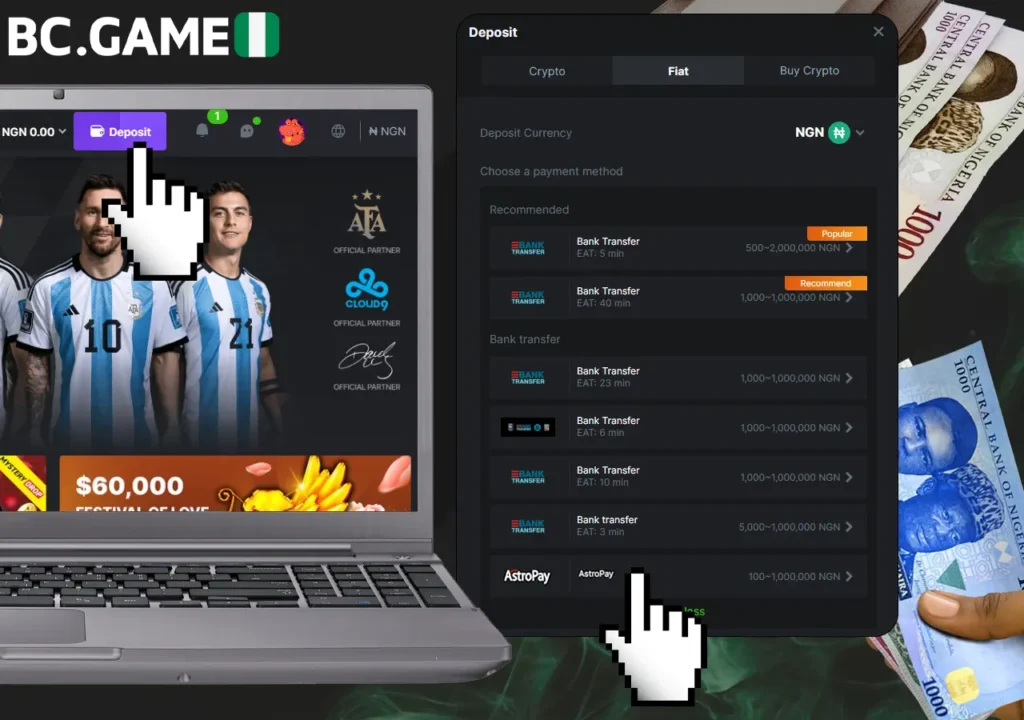
Start by reading the platform’s current game list and rules, because payouts and minimums can change. If you’re using bcgamebet as your entry point, treat it like a checklist step, not a shortcut to decisions. Then confirm your payment method works reliably, including any withdrawal delay windows you might face.
Set Your Plan First: Money, Limits, and Pace
Most people don’t lose because they “picked the wrong game” once. They lose because their stake size grows after a bad streak, or because they keep betting faster than they can think. As a rule, you want a plan that survives a losing run, not just a winning one. A simple approach is to choose a fixed bankroll amount you’re comfortable losing and a maximum loss per session. For example, if you have $100 to work with, you might cap a session at $20 and stop when you hit it.
Next, define your stake progression before you start. I prefer flat staking for beginners because it’s easy to measure, but some people use a mild step-up only when variance feels manageable. However, if you’re tempted to double stakes after losses, you should pause—this is where “common mistakes” become expensive. A good pace is also practical: if the game rounds are fast, set a time limit like 20–30 minutes per session, so you don’t drift into autopilot. Notably, even a small, consistent pace makes it easier to track whether your edge is real or just luck.
Here are a few concrete setups you can copy and adjust:
- Conservative: stake 1% of bankroll per bet, stop after 10 losses or -5% total.
- Balanced: stake 2% per bet, stop after 8 losses or -10% total.
- Short-session: stake flat, but stop after 30 minutes even if you’re up.
Understand Odds, Payouts, and What “Win” Means
BC Game bet outcomes can look simple, but the details matter. Before you commit, check how the payout is calculated for each game type—some return a profit amount, others multiply the total stake, and some include push or refund behavior. You also want to know the difference between “hit rate” and expected value, because a high win rate can still lose if the payouts don’t compensate. For example, if one game pays 1.2x on a win but you lose slightly more often than you win, the math won’t save you long-term. To be fair, nobody needs to compute everything, but you should at least understand the direction: higher risk should generally come with higher reward, not lower.
Take a moment to compare two scenarios. Scenario one: you bet a low-risk option that pays steadily, and you stop when you reach a small daily goal. Scenario two: you bet a higher-volatility option because it “feels exciting,” then you keep playing after the first long losing streak. The second scenario often turns into a bankroll problem, not a strategy problem. If you know the payout structure, you can decide whether the volatility is worth it for your own comfort level.
Pick Games That Match Your Time and Attention
Not every game type fits every mood. If you’re tired or distracted, fast rounds can be a trap because you’ll start reacting instead of choosing. Choose slower formats when you need time to review results and keep your stake discipline. If you’re learning, stick to one or two games for a couple of sessions so you can build a clear mental model of how outcomes behave. That’s quick to do, and it prevents you from blaming the wrong variable.
Consider three common starter scenarios. First, you’re new and want transparency, so you select a game with straightforward win/lose conditions and visible payout behavior. Second, you’re experienced but short on time, so you choose a round-based game where you can finish a session within 15 minutes. Third, you like analysis, so you pick a game where you can track patterns like streak length and compare them against your stop rules. Each choice should connect back to your plan, not your impulse.
Account Setup and Safety Checks Before You Place Any Bet
Before any BC Game bet is live, confirm your account details and security settings. Use a strong password, enable two-factor authentication if the site offers it, and avoid logging in from random devices. Also check whether you’re required to complete verification steps, since some platforms throttle withdrawals until identity is confirmed. This isn’t theory—I've seen players place bets immediately, then get stuck later when they try to cash out. If you want a smooth experience, handle verification early and keep your payment details consistent.
Then test the money flow with a small amount. Deposit a number you can afford to lose, run a few rounds, and verify that outcomes and balances update correctly. You’re not trying to “prove” anything to yourself; you’re checking that the system behaves as expected. If a withdrawal takes longer than you can tolerate, adjust your session plans accordingly. In practice, waiting times often vary by method, and that affects how you should schedule your play.
Payment Methods, Minimums, and Cashout Reality
Payment methods can change the whole rhythm of your betting. Some users prefer card deposits for speed, while others rely on e-wallets for convenience, and both can carry different processing times. Check minimum deposit and minimum bet limits, because a game that looks accessible might still require more than you planned to stake. For cashout, look for any stated processing windows and whether weekends or holidays affect them. The safest approach is to assume withdrawals won’t be instant, and plan your stakes so you’re not relying on rapid cash movement during a session.
If you come across a guide like https://bc-gamebet.ng/ and you’re trying to understand the platform’s current flow, use it as a reference for process, not as a reason to skip your own checks. Treat each step—deposit, bet, and cashout—as something you confirm once, then repeat consistently. Notably, consistent behavior is what keeps you from making stress-driven decisions later.
Confirm Game Rules and Limits Are Current
Rules are rarely static across platforms, and BC Game bet mechanics can evolve. Before you play a new game, read its specific conditions: minimum stake, maximum stake, how results are determined, and any special conditions like tie handling. Also look for any cooldowns or restrictions that could affect your pace. A quick review saves you from the frustrating moment where you realize you can’t place the bet size you wanted. It’s not glamorous, but it’s one of the most effective pre-bet habits.
To make this practical, write down your “must checks” in your notes app. For example: confirm minimum and maximum stake for the game you chose, verify payout multiplier rules, and check session time limits. Then do one test bet at the smallest allowed stake before increasing. If you’re using a progression plan, increase only after you confirm the payout behavior matches what you expected. That small step prevents a lot of avoidable confusion.
Execution: How to Start Betting Without Losing Control
Once your plan and checks are done, execution becomes easier. Start with a small stake that matches your “learning” level, not your “revenge” level. You should also decide in advance how you’ll respond to outcomes: whether you’ll stop immediately after hitting your loss cap, or whether you’ll pause after a streak. This is where you avoid the classic spiral—betting to recover quickly rather than betting within limits. In practice, the best execution feels boring because it follows rules you already chose.
Track results in a simple way. You don’t need spreadsheets, but you should note date, game, stake, payout outcome, and whether you followed your stop rules. After 20–30 rounds, review whether your bankroll is moving in the direction you expected. If you’re consistently losing beyond your tolerance, don’t “fix it” by increasing stakes—fix it by changing your plan or stopping. To be fair, variance exists, but discipline should still keep you from turning variance into a full session loss.
Three Example Start Sessions (Realistic and Manageable)
Example one: you start with a $100 bankroll, stake 1% per round, and stop when you reach -$10. You run 15 minutes, keep stakes flat, and note the payout behavior after the first five rounds. If you hit a -$10 loss early, you stop even if you feel “close.” That restraint is the whole point.
Example two: you’re more aggressive but still controlled. You stake 2% per round, set a 30-minute limit, and stop after 8 consecutive losses or -10% total. When a losing streak hits, you pause for one minute and check whether you’re still following your rules, then decide whether to continue. This tiny pause prevents impulsive stake changes.
Example three: you want to learn one game mechanics detail. You choose one game, place 10–12 small test bets at minimum stake, and only then move to your normal stake size. If payouts or results behave differently than expected, you adjust before risking more. It’s not slow for the sake of being slow; it’s quick insurance against misunderstanding.
Know When to Stop, Even if You’re “Doing Fine”
Stopping isn’t only for losing sessions. You should also stop when you reach a small win target, like 5% to 10% on your session bankroll, especially if you’re playing fast rounds. When you stop on a win, you reduce the chance that a later swing erases the progress you earned. Additionally, if you notice decision fatigue—like forgetting your stake size or changing it mid-session—end the session. That’s not weakness; it’s recognizing that your process matters more than the next round.
Finally, remember that a BC game bet is not a one-time gamble; it’s a repeatable routine. Your routine should protect you from predictable errors: chasing losses, ignoring payout rules, playing beyond time limits, and assuming withdrawals will be instant. If you build your routine around checks and stop rules, you’ll spend less energy reacting and more energy improving. When you’re ready, you can refine stake sizing and game choice based on what you actually observe, not what you hope will happen.